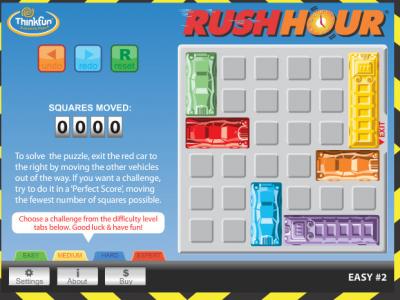
Fun Online Games to Boost Visual Skills
There are a lot of “board” games out there that now have free versions to play online. We use several of these games in conjunction with our therapy program and wanted to make them accessible to you at home. Some of them are even better and more convenient than the...
Vision Therapy Success Stories
Vision Therapy patients and their parents share their success stories in this video montage. They talk about frustrations with school, reading, migraines, double vision and more. After discovering that the root issue holding them back was visual they did a vision...
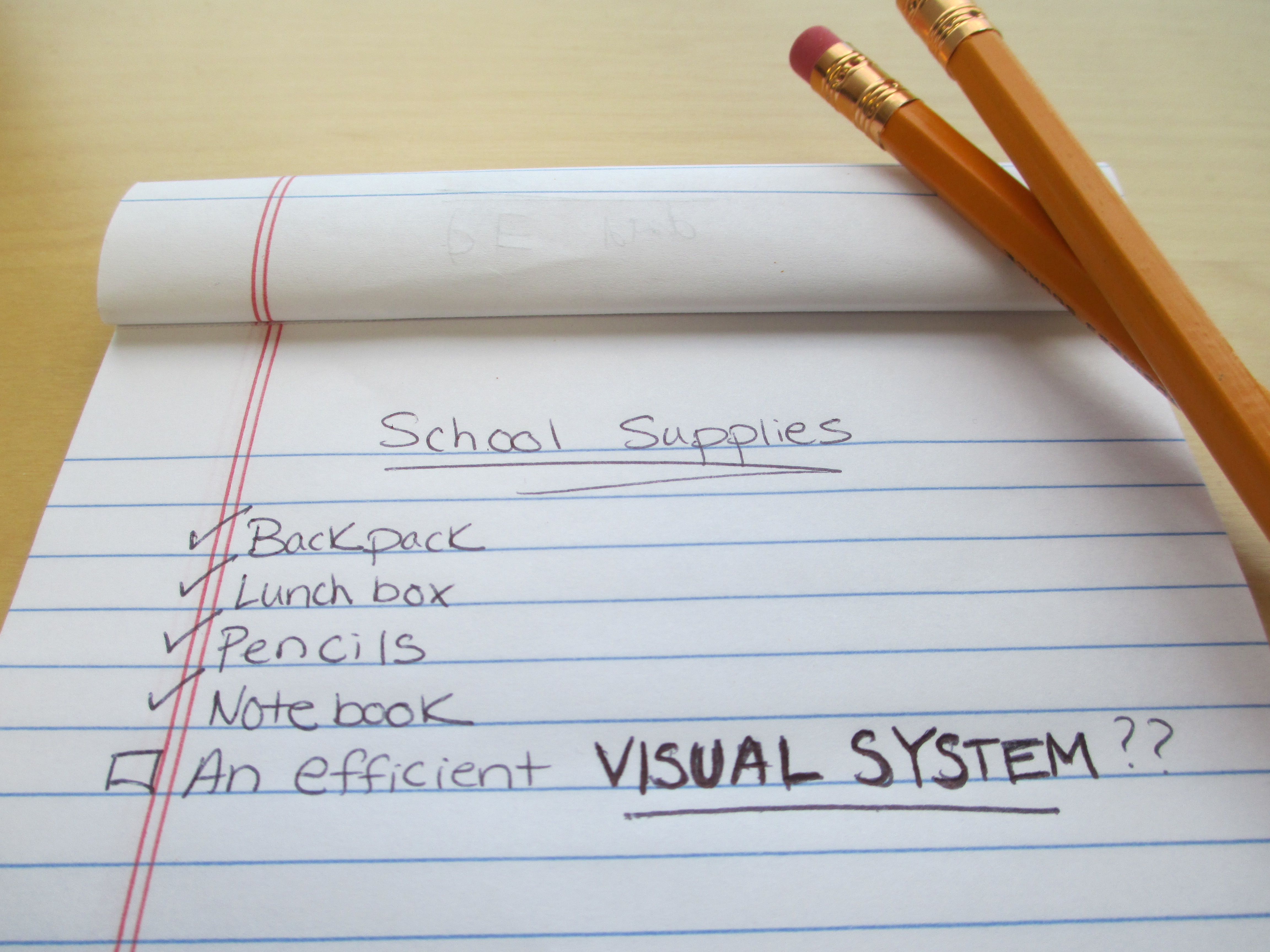
Back to School! Are You Ready?
School is just around the corner and many families are headed to the store in search of school supplies. But do you know the one “supply” that your child may be missing? An efficient visual system! Did you know that 85% of everything learned in the classroom...

Vision Therapy Success Story from a Mother’s Perspective
Gabby just completed her vision therapy program in the past week. She has more confidence now heading into the fifth grade at her school. Here’s what her mom had to say about Gabby’s significant improvements: “Gabby has gained so many different skills and has...

“I’m Bored” Solutions that Benefit Vision!
The summer is winding down quickly and maybe your kids or even you are getting bored. We have come up with a list of ideas to keep you active. Our eyes have the most opportunity for teaming when we are outside. Below are several lists of activities that are fun and...

Celebrate Freedom from Frustration
July celebrations start with Independence Day—“the 4th of July”. It is a day to celebrate freedom, the birth of American independence, with festivities including parades, picnics and fireworks. Freedom can be defined in many ways but a common statement is made by...

Is the “Handwriting” on the Wall? The Importance of Cursive
Is the future of cursive writing doomed? In this modern age of using keyboards and moving our thumbs on smart phones to write cryptic notes in our attempts to communicate, are we losing something important? Students no longer have teachers peering over their...
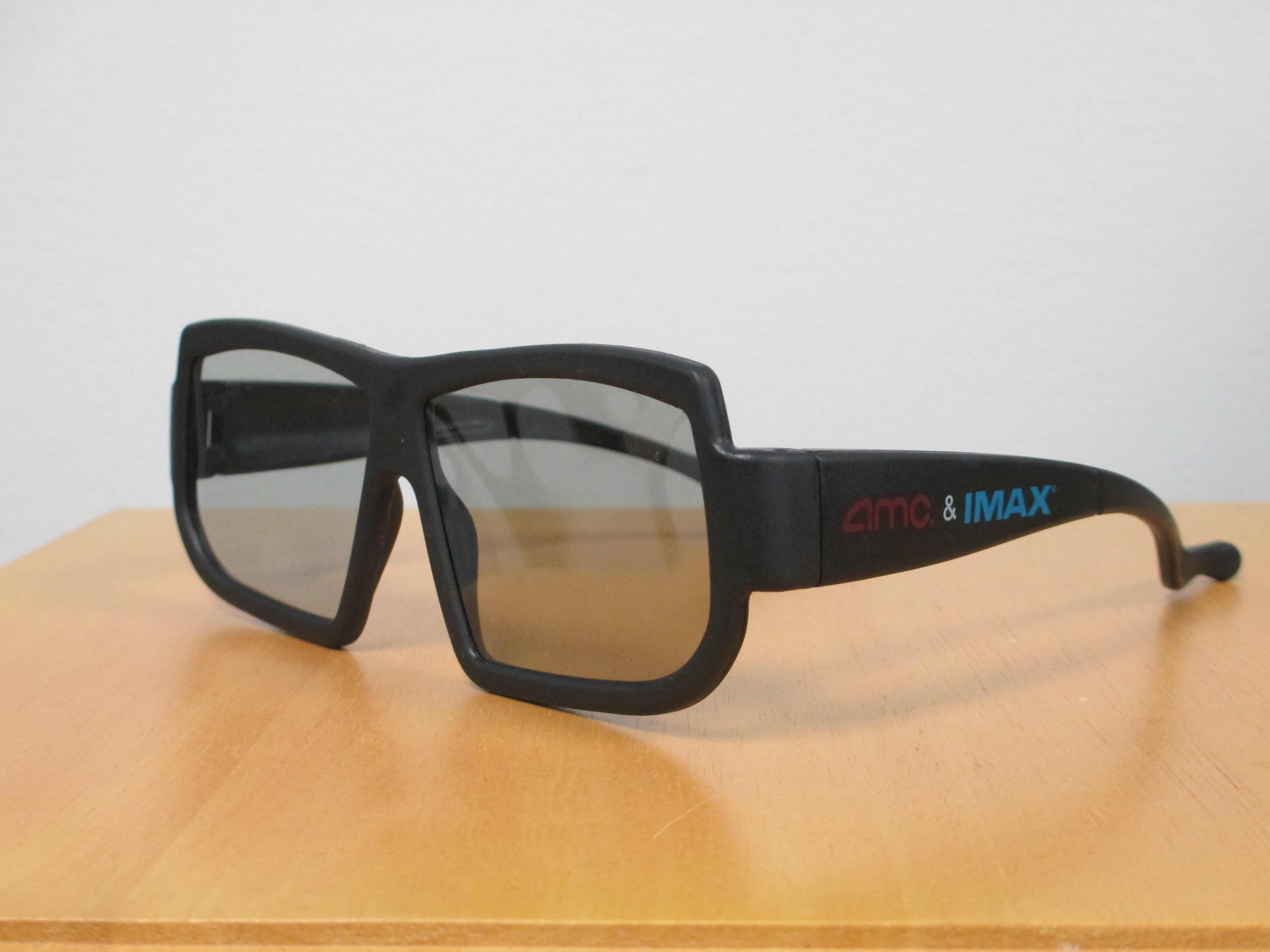
3D Movie Changes Man’s Vision
Imagine not being able to see the world in 3-D until you went to see a 3-D movie. That is exactly what happened to Bruce Bridgeman of Santa Cruz, CA. Bridgeman says that he has struggled with depth perception his entire life. Nothing seemed to pop out to him and he...
Meet Jo: A Vision Therapy Success Story
Jo has been such a fun, energetic and delightful patient to work with. She came into her 1st Vision Therapy appointment frustrated with school, reading, migraines, eye strain, blurriness and overall poor visual system. A few months into her program she suffered a...

Color Vision
Have you ever wondered how animals see? We have all heard stories since we were little about how cats can see in the dark and if you are a hunter that deer can’t see certain colors whereas turkeys can. What accounts for these differences? It all comes down to rods...